
We Take Over the Legal Pressure So You Can Focus on Recovery
HHT Law steps in early to take over the legal side of the claim, protect the evidence, and build a case designed to support real financial recovery.
Coverage Review Comes First
We immediately review liability, insurance, and all compensation paths, including the at-fault driver's policy, additional coverage, and uninsured/underinsured motorist options.
Building Proof That Lasts
HHT Law strategically builds your claim from the start by gathering essential records, including crash reports, photos, witness information, repair invoices, and medical documentation. This ensures thorough support for fault, damages, and settlement value.
Showing the Full Loss
A car accident claim should reflect more than the first bills that come in. We work to document treatment, lost income, ongoing symptoms, future care needs, and the broader effect the injury has had on daily life.
Applying Pressure Early
HHT Law manages these communications, resists unreasonable tactics, and prepares cases for negotiation or litigation when insurers fail to act fairly.
The Types of Woodland Hills Crash Cases We Take On
Woodland Hills traffic creates a steady mix of commuter congestion, commercial traffic, and intersection conflict. Those conditions lead to a range of accident types, each with different proof issues and insurance complications.
-

Rear-End Collisions
These cases often involve neck injuries, back pain, and soft-tissue trauma that carriers try to downplay. Clear treatment records and consistent documentation matter.
-

Intersection Crashes
Left-turn collisions, T-bone crashes, and signal disputes often come down to timing, witness accounts, and roadway evidence.
-
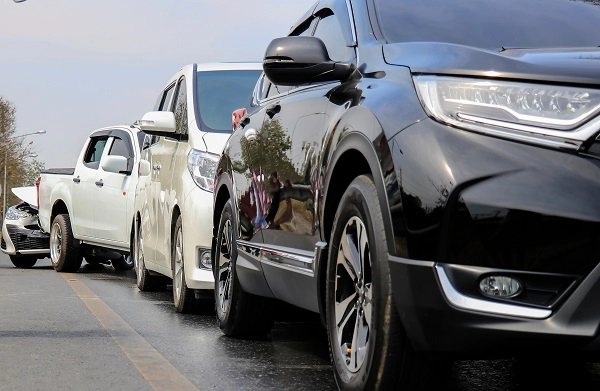
Multi-Vehicle Wrecks
When several vehicles are involved, liability can shift quickly, and multiple policies may need to be reviewed at once.
-
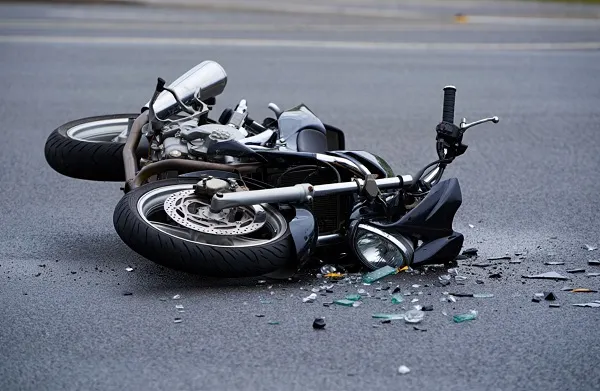
Pedestrian and Motorcycle Claims
These collisions often result in more serious injuries and require a more aggressive damages presentation from the outset.
-
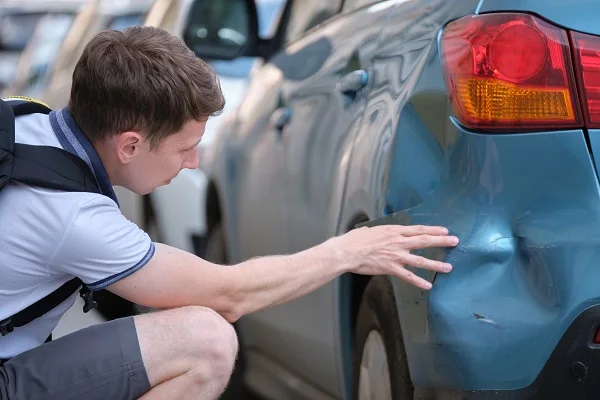
Hit-and-Run and Uninsured Driver Cases
If the at-fault driver leaves the scene or lacks coverage, a Woodland Hills car accident lawyer should review every available source of recovery without delay.
What the Evidence Must Show Before the Insurance Company Pays
Most car accident cases come down to proving who caused the crash and what that crash actually cost. In California, these claims are usually based on negligence under Civil Code § 1714.
To support the claim, the evidence usually needs to show:
- A driver failed to use reasonable care: That may involve speeding, distracted driving, an unsafe lane change, a left-turn violation, or DUI. Relevant laws may include Vehicle Code §22350, §21801, and §23152.
- That conduct caused the collision: The claim has to connect the unsafe act to the crash itself.
- The crash caused actual harm: That may include medical bills, lost income, pain, and other documented losses.
- The right party is held responsible: Liability may fall on one driver, multiple drivers, an employer, a vehicle owner, or another party involved in causing the crash.
A strong case shows what happened, what law was broken, and how the injury affected the client’s life.
What Compensation Should Cover After a Serious Crash
Car accident claim values hinge on injury records, available insurance, and documented losses. A Woodland Hills car accident lawyer can seek compensation for immediate and long-term impacts.
Some claims look smaller at the beginning, then grow as treatment continues, and work limits become clearer. A quick offer does not always reflect the full value of the loss.
Why Woodland Hills Keeps Producing Serious Crash Claims
Woodland Hills traffic, marked by aggressive driving and congestion at intersections and freeway access points, causes frequent collisions, particularly during peak hours and in business areas.
Common causes behind local collisions are:
- Distracted driving
- Speeding
- Tailgating
- Unsafe turns
- Failure to yield
- Abrupt lane changes
- Impaired driving
- Reduced visibility at night or in poor weather
Roads like Ventura Boulevard and Topanga Canyon Boulevard carry steady traffic and frequent turning movements, making the location of collisions a relevant factor in how fault is evaluated.
A strong claim should reflect the actual traffic environment where the collision occurred. Commercial congestion, high-turnover traffic, and merging pressure can all shape how fault is argued.
Injuries That Can Change the Direction of Daily Life
Some crash injuries are obvious at the scene. Others become more serious over the next several days, especially when adrenaline wears off, and symptoms become harder to ignore.
What You Do in the First Hours Matters Later
The first steps after a crash can affect both your recovery and the strength of your legal claim. Small mistakes early on can become expensive later.
1. Get Medical Attention
Prompt care protects your health and creates an initial record linking the injury to the collision.
2. Photograph Everything You Can
Take photos of the vehicles, visible injuries, roadway conditions, debris, and nearby traffic controls.
3. Gather the Right Information
Exchange contact and insurance details and try to identify witnesses before they disappear.
4. Be Careful with the Insurance Company
Recorded statements and early assumptions about fault can be used to weaken the claim.
5. Reach Out to a Lawyer
Woodland Hills car accident lawyers help preserve evidence, protect your position, and prevent the insurer from controlling the direction of the case.