
How a Northridge Car Accident Claim Moves from Intake to Resolution
Every car accident claim has stages that affect liability, insurance recovery, and case value.
Crash Review
We review how the crash occurred, identify liable parties, and confirm filing deadlines under Code of Civil Procedure section 335.1 and, where a public entity may be involved, Government Code section 911.2.
Proof Building
Our team gathers traffic-collision reports, vehicle damage photos, witness statements, dash-cam footage, and medical records.
Claim Assembly
We assemble the demand package that insurers rely on to evaluate a claim, including medical bills, treatment records, wage-loss documentation, repair estimates, and projections for future care.
Settlement Fight
We present the claim with supporting evidence and coverage analysis. If the insurer does not make a reasonable offer, we will evaluate whether to file suit in Los Angeles County.
Crash Types Our Northridge Car Accident Lawyers Handle
Northridge traffic moves through Valley commuter routes, retail corridors, school traffic, and freeway access tied to Reseda Boulevard, Devonshire Street, Nordhoff Street, Tampa Avenue, and routes toward the 118 and 405. That mix creates recurring collision patterns.
-

Rear-End Impacts
Stop-and-go traffic near signals, shopping areas, and school pickup zones often leads to neck injuries, disc injuries, and delayed-onset pain complaints.
-

T-Bone Collisions
Failure-to-yield crashes at busy multi-lane intersections can produce fractures, head trauma, and internal injuries.
-
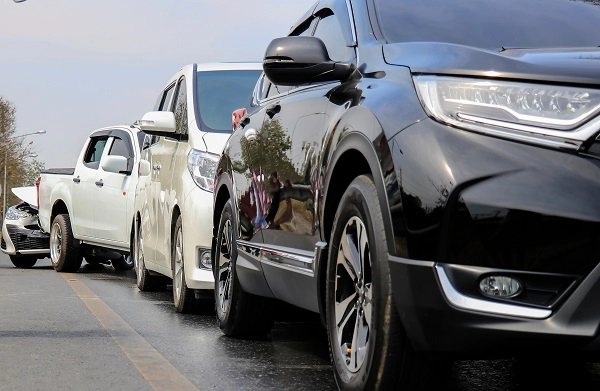
Multi-Car Pileups
Chain-reaction collisions create difficult fault disputes, especially when several insurers try to shift blame.
-
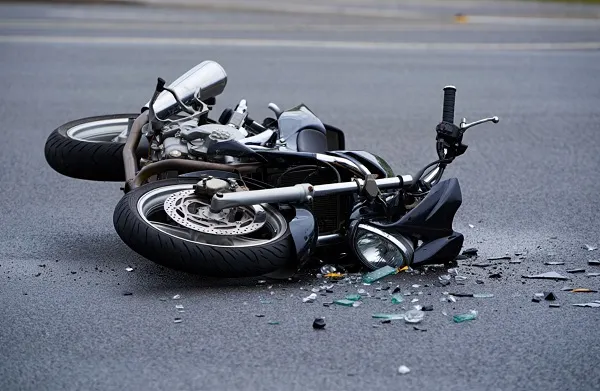
Pedestrian, Bicycle, and Motorcycle Collisions
These crashes often involve more severe trauma because the injured person has far less physical protection.
-
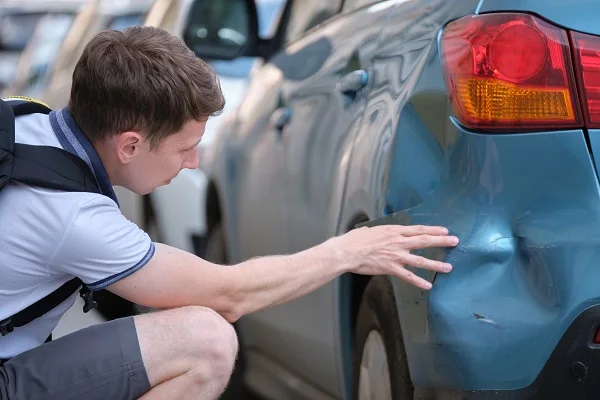
Hit-and-Run Drivers
When the at-fault driver leaves the scene or lacks enough coverage, recovery may depend on uninsured/underinsured (UM/UIM) motorist coverage and other first-party benefits.
A Northridge car accident attorney reviews the collision facts, available coverage, and each defendant’s role before the claim is valued.
How Fault Is Proven in a California Car Accident Case
Most car accident cases turn on negligence. To recover compensation, a Northridge car accident lawyer must prove four elements.
Duty of Care
The legal basis for most of these claims is negligence, which in California is grounded in Civil Code section 1714.
Breach of Duty
Speeding, distracted driving, unsafe lane changes, illegal turns, and other traffic violations can show a breach.
Causation
The careless conduct must be directly tied to the crash and the injuries claimed.
Damages
A claim requires proof of measurable loss, such as medical bills, lost wages, reduced earning capacity, or pain and suffering.
Liability can extend beyond one driver. Employer-owned vehicles, roadway-defect allegations, commercial policies, and public-entity issues may affect the claim structure.
The Most Frequent Crash Injuries We See in Northridge
Vehicle impacts can cause injuries that range from short-term soft tissue trauma to permanent impairment.
Damages Available in a Northridge Car Accident Claim
Economic Damages
Economic damages are the measurable financial losses tied to the collision. These may include:
- Emergency room and hospital bills
- Follow-up treatment and rehabilitation
- Prescription costs
- Future medical care
- Lost wages
- Loss of earning capacity
- Property damage
- Out-of-pocket expenses related to the injury
Non-Economic Damages
Non-economic damages address the human impact of the crash that cannot be quantified with a bill. These may include:
- Physical pain
- Emotional distress
- Anxiety or loss of sleep
- Reduced quality of life
- Physical impairment
- Disfigurement
- Loss of enjoyment of daily activities
- Loss of consortium
Civil Code § 3333.4 may limit non-economic damages in certain motor vehicle cases involving an uninsured owner or operator of a vehicle.
Where Car Accidents Happen Most Often in Northridge
Northridge has a mix of commuter, retail, and school traffic, with freeway access. That pattern leads to recurring crash points across several major corridors.
Common crash factors include:
- Congestion around Reseda Boulevard, Devonshire Street, Nordhoff Street, and Tampa Avenue
- Heavy turning traffic near retail centers and campus-adjacent routes
- Speeding on long, straight Valley corridors
- Distracted driving in stop-and-go traffic
- Reduced visibility and reaction time at night
NHTSA reports that 3,275 people were killed in distracted-driving crashes in 2023, and speeding was a contributing factor in 29% of all traffic fatalities that year.
What to Do After a Car Accident in Northridge
What you do in the first hours after a collision can affect both your medical record and your injury claim.
1. Get Medical Care As Soon As Possible
Some injuries do not present immediate symptoms. Prompt evaluation also creates a record that connects the crash to the injury.
2. Secure Evidence
California courts accept photos, medical records, witness statements, and police reports as core evidence in personal injury cases.
3. Collect Relevant Information
Accurate identifying information reduces later disputes over fault and coverage.
4. Do Not Give a Statement Before Legal Review
Early recorded statements are often used to narrow or dispute an injury claim. If you do have a UM/UIM or med-pay claim under your own policy, your insurer may request documentation and may also request a statement as part of its investigation.
5. Contact an Attorney Right Away
Early legal action helps preserve evidence, identify coverage, and control insurer contact from the start.